FAQs About Neural Networks: Demystifying Common Misconceptions


Understanding Neural Networks
Neural networks are at the heart of many modern AI applications, yet they remain shrouded in mystery for many. Understanding what they are and how they function can seem daunting, but breaking down common FAQs can help demystify these complex systems. Let's dive into some of the most frequently asked questions about neural networks.
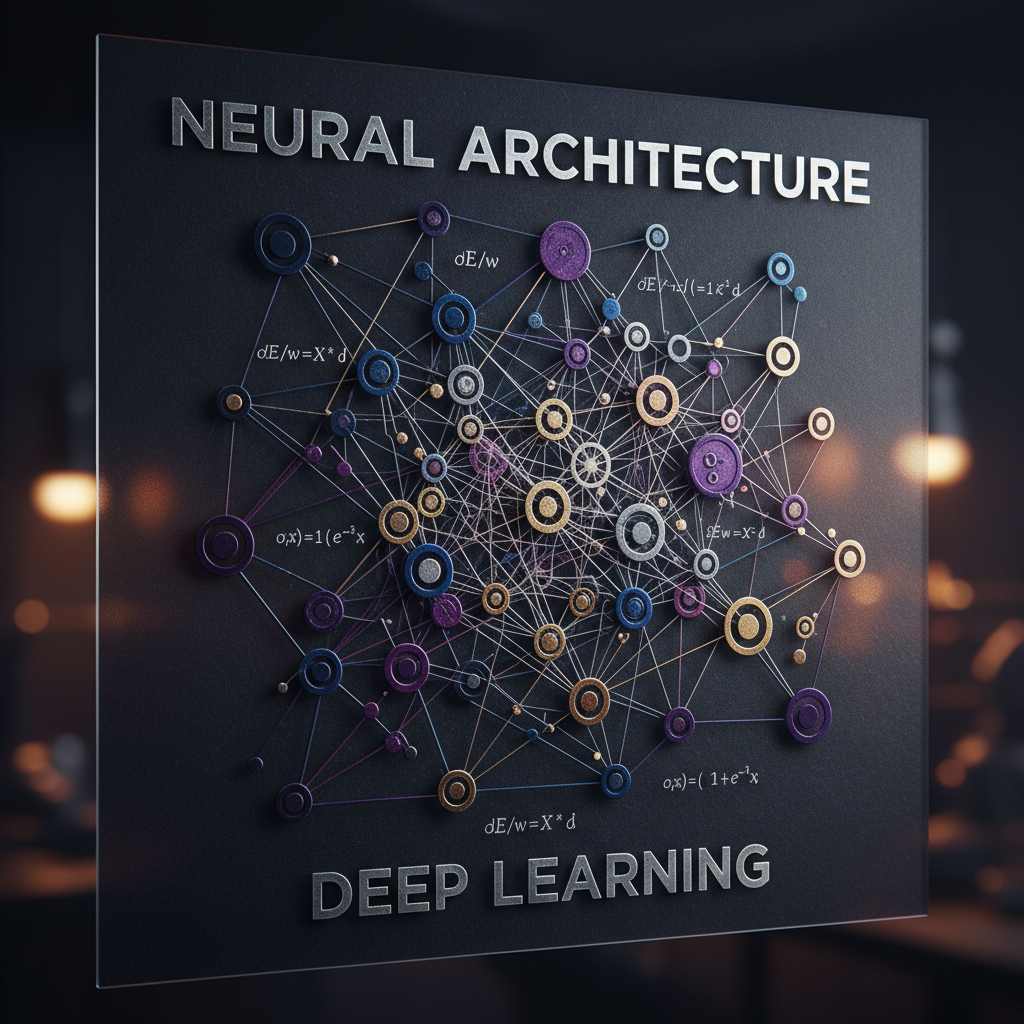
What Are Neural Networks?
A neural network is a series of algorithms that attempts to recognize underlying relationships in a set of data through a process that mimics the way the human brain operates. They are a subset of machine learning and are instrumental in solving AI problems.
How Do Neural Networks Learn?
Neural networks learn through a process called training. They process input data, adjusting their internal parameters through a method known as backpropagation. This iterative process helps the network improve its accuracy and performance over time.

Common Misconceptions About Neural Networks
Are Neural Networks Intelligent?
One common misconception is that neural networks are inherently intelligent. While they can perform complex tasks, they do not possess intelligence like a human. They rely on vast amounts of data and computational power to perform tasks that seem intelligent.
Can Neural Networks Think Like Humans?
Despite their design inspiration, neural networks cannot think or understand like humans. They are excellent at pattern recognition and can make predictions based on data, but they lack true cognitive abilities or consciousness.

Applications and Limitations
What Are the Practical Applications?
Neural networks have a wide array of applications, including image and speech recognition, autonomous vehicles, and natural language processing. They are essential in many industries, driving innovation and efficiency.
What Are Their Limitations?
Despite their power, neural networks have limitations. They require large datasets and significant computational resources to function effectively. Additionally, they can be opaque, making it difficult to understand their decision-making processes.

The Future of Neural Networks
As technology advances, neural networks will become even more integrated into our daily lives. Continuous research and development are pushing the boundaries of what these systems can achieve, promising exciting innovations in the near future.
Understanding the basics and dispelling misconceptions allows us to appreciate the potential of neural networks while remaining aware of their current limitations. As we continue to explore this fascinating field, staying informed will be key to harnessing its full potential.