Demystifying AI: Common Misconceptions About Neural Networks


Understanding Neural Networks
Neural networks are a crucial component of artificial intelligence (AI), yet they remain misunderstood by many. These systems mimic the human brain's architecture to process data and recognize patterns. Despite their significance, several misconceptions persist. In this post, we aim to clarify some common misunderstandings about neural networks.

Neural Networks Are Self-Aware
A popular myth is that neural networks possess self-awareness. In reality, these systems are complex mathematical models designed to perform specific tasks. They lack consciousness and cannot think or feel. Their "intelligence" is merely a reflection of the data they've been trained on.
Complexity Equals Intelligence
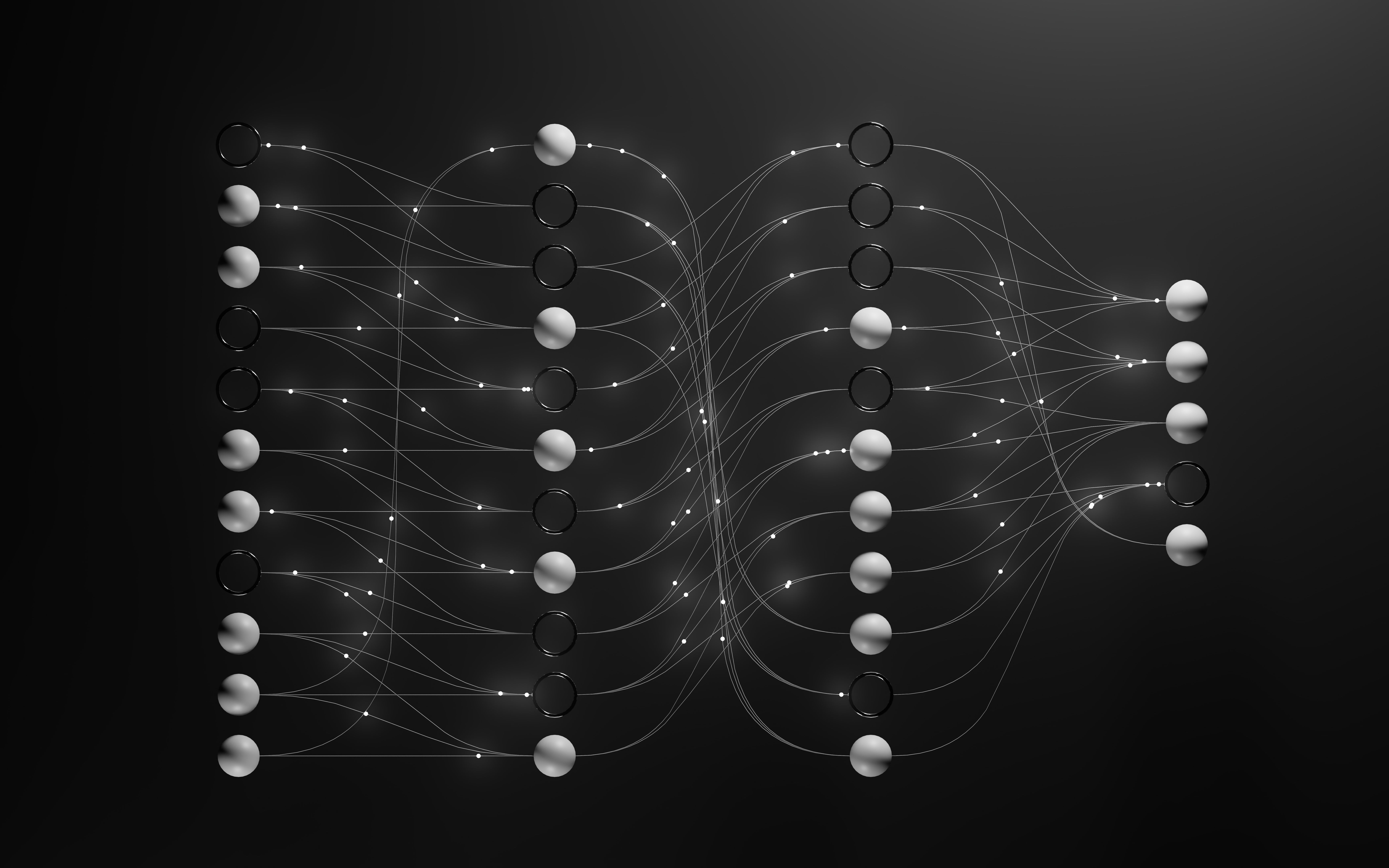
Another misconception is that the complexity of a neural network directly correlates with its intelligence. While deeper networks can handle more sophisticated tasks, they also require more data and computational power. More layers do not necessarily mean the model is smarter; it simply means it can process more complex patterns.
The Role of Data
Many assume that neural networks can work effectively with any data set. However, the quality and quantity of data are crucial. Poor or biased data can lead to inaccurate results. Therefore, ensuring high-quality data is paramount for successful AI applications.
Neural Networks Can Replace Human Expertise
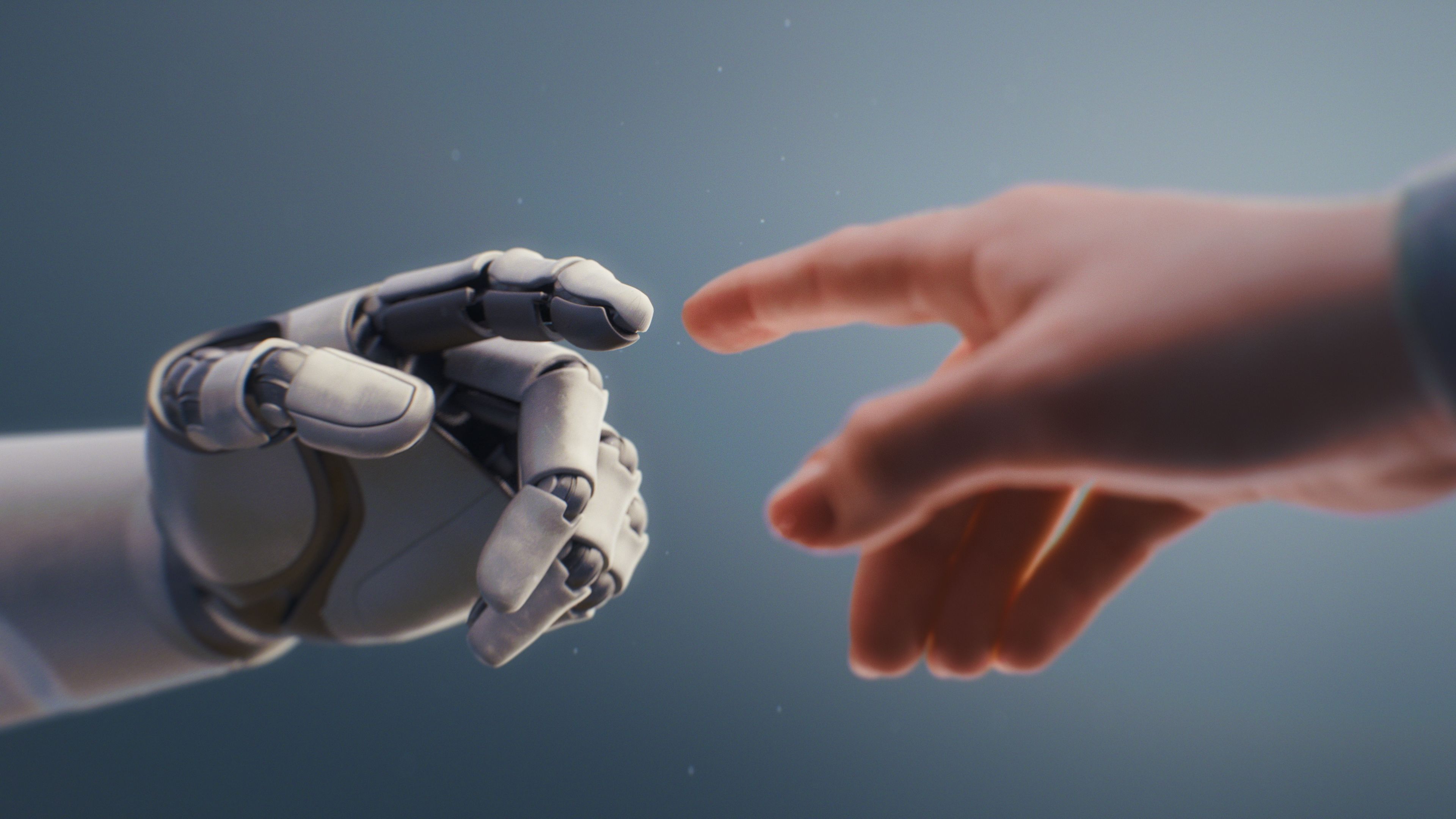
While neural networks excel at pattern recognition and data analysis, they cannot replace human intuition and expertise. These systems are best used as tools to augment human decision-making, providing insights that might be missed through traditional analysis.
The Training Process
The training of neural networks is often seen as a fully automated process. However, it requires significant human intervention. From selecting the right architecture to fine-tuning parameters, experts play a vital role in guiding the learning process.
AI and Ethical Concerns
There are concerns that neural networks, and AI in general, may lead to ethical dilemmas. While these technologies can be used for good, they can also be misused. It's crucial to establish ethical guidelines and ensure transparency in AI development and deployment.
Conclusion
Understanding neural networks is essential to harness their potential effectively. By debunking these misconceptions, we can better appreciate the capabilities and limitations of AI. As technology evolves, ongoing education and ethical considerations will be key to navigating this rapidly advancing field.